
Polished Finish for Professional Settings
Tapers in Las Vegas for clean, office-ready cuts that hold their shape
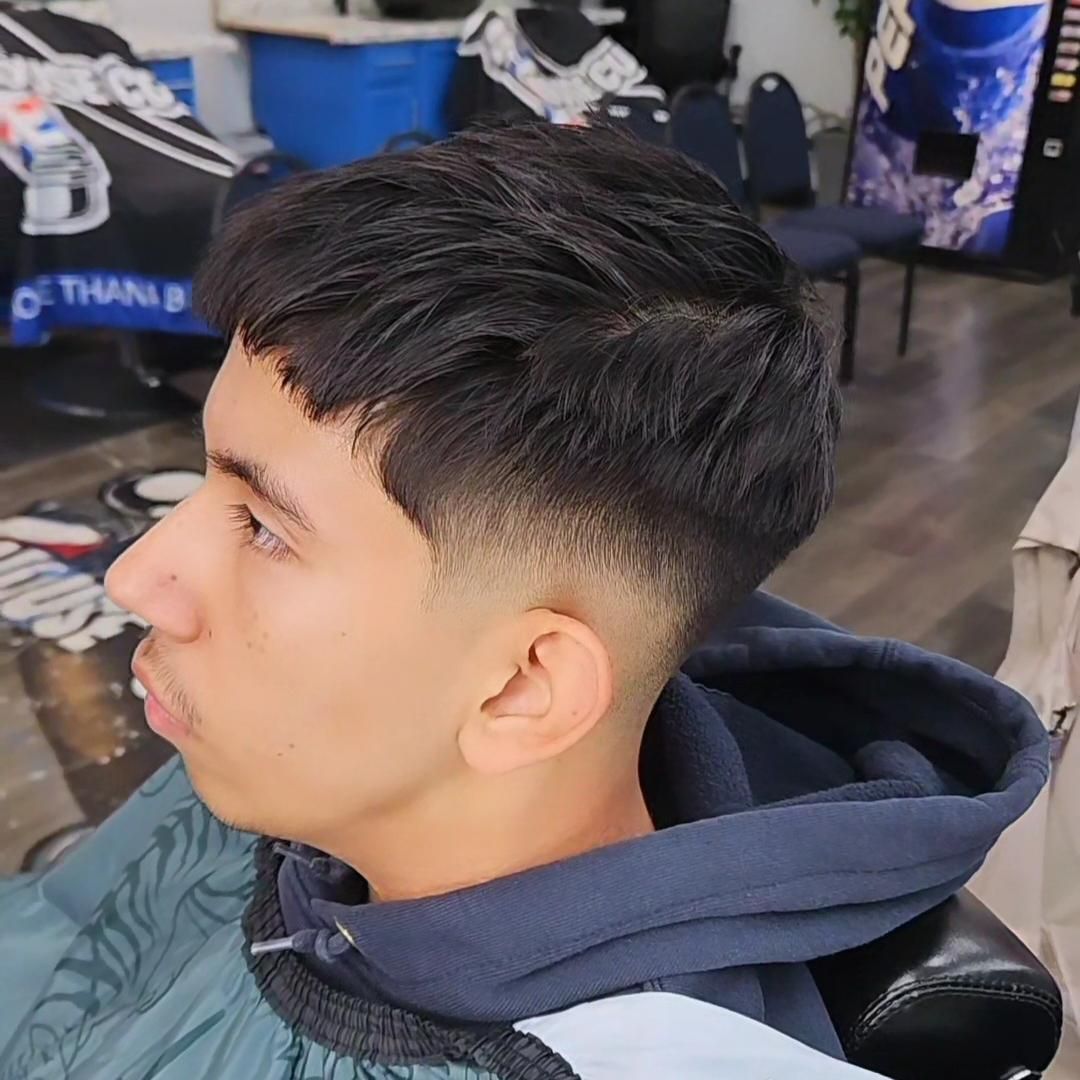
Professional work culture across Henderson, Chinatown, and Las Vegas business corridors creates demand for cuts that look sharp in meetings and hold up under scrutiny. Tapers at The Local Barber Shop LV use scissor-over-comb technique on the transition zones to prevent the blocky, hard-line finish that clipper-only cuts produce. The result is a blended, natural-looking taper that reads as polished rather than fresh-from-the-chair obvious, and it grows out cleaner than a standard clipper cut because the blend zones give you more time before the shape collapses.
A true taper involves hand-blending the transition between lengths using shears, not relying solely on clipper guards to do the work. The difference shows up when you look at the cut from the side—no visible line where one length stops and another starts.
Schedule a taper cut to see how scissor work changes the transition quality compared to clipper-only techniques.
What You Notice Once the Taper Is Finished
The cut begins with clipper work to establish the baseline length, then moves to scissor-over-comb blending along the taper zones where the transition needs to look seamless. Each section is checked under overhead lighting to catch any uneven spots or hard edges before moving to the next area. The top is cut to balance with the tapered sides, maintaining proportion across the entire head.
After the cut, your taper sits clean without looking forced or unnatural. The transition from short to long flows smoothly when you run your hand up the back of your head, and there's no blocky shelf where the clipper guard changed. The hairline is defined but not overly sharp, and the overall shape looks intentional from every angle. You can wear it to a client meeting without second-guessing whether it looks too fresh or unfinished.
Tapers also photograph better than clipper-only cuts because the blended transitions don't create harsh shadows or visible lines under camera lighting. That matters if your work involves any client-facing or public-speaking situations where appearance gets scrutinized.
What Property Owners Usually Ask
Las Vegas professionals ask about technique, maintenance schedules, and how tapers differ from fades before booking their first appointment.
What makes a taper different from a fade?
A taper blends from short to longer length without going down to skin level, while a fade involves blending all the way to bare skin. Tapers are generally more conservative and office-appropriate, making them a go-to choice for professional environments.
Why use scissors instead of just clippers for the taper transition?
Scissor-over-comb work allows for finer control over the blend and eliminates the hard lines that clipper guards leave behind. The result looks more natural and holds up better as the hair grows because there's no abrupt length change to expose.
How long does a taper cut take to complete?
Most taper cuts require thirty to forty minutes depending on hair texture and the level of detail in the blend zones. Rushing the scissor work results in uneven transitions that show up once you leave the chair.
How often do I need to come back to keep the taper looking sharp in Las Vegas?
Most clients return every three to four weeks to maintain the shape and keep the taper transition clean. Professional settings demand consistency, so regular appointments prevent the cut from growing out past the polished stage.
What should I look for when evaluating taper quality?
Check the transition zones in natural light and from multiple angles. A quality taper has no visible lines between lengths, the blend runs smooth from the side and back, and the hairline is clean without looking artificially sharp or overdone.
The Local Barber Shop LV handles taper cuts for Las Vegas professionals who need a polished, repeatable look that fits business settings. Request your appointment to see how scissor-over-comb blending delivers a cleaner finish than clipper-only techniques.